
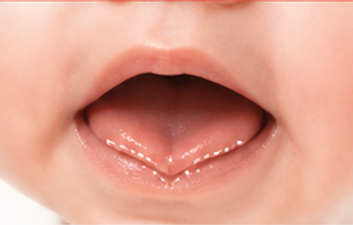
Feeding challenges can be stressful for both babies and parents. While some difficulties are common during infancy, ongoing problems with nursing or bottle feeding may sometimes be linked to a tongue tie.
Tongue tie occurs when the tissue under the tongue restricts normal movement, which can affect feeding, swallowing, and oral development.
Families in Torrance, Redondo Beach, Manhattan Beach, and surrounding South Bay communities trust our team for airway-focused pediatric dental care.
Common Signs of Tongue Tie in Babies
Common signs of tongue tie in babies may include:
• Difficulty latching during breastfeeding
• Clicking sounds while feeding
• Long feeding sessions
• Frustration during feeding
• Poor weight gain
• Excessive gas or reflux-like symptoms
Signs of Tongue Tie for Mothers
Mothers may experience:
• Pain while breastfeeding
• Nipple damage or soreness
• Difficulty maintaining milk supply
• Exhaustion from prolonged feedings
When should parents seek an evaluation?
If feeding continues to feel difficult, your baby struggles to latch, or you notice signs like clicking sounds, poor weight gain, or prolonged feedings, it may be worth scheduling an evaluation.
Early identification can make feeding easier and support healthy oral development as your child grows.
Some tongue and lip ties can also affect speech, breathing, and oral function as children get older.
Can tongue tie affect sleep or breathing?
While tongue tie is often associated with feeding challenges in babies, restricted tongue movement can sometimes contribute to mouth breathing, poor tongue posture, and airway concerns as children grow.
Early evaluation can help identify whether oral restrictions may be contributing to sleep or developmental concerns.