
TONGUE TIE &
LIP TIE
TREATMENT
FOR INFANTS AND CHILDREN IN SOUTH BAY, CA
Supporting healthy feeding, speech, breathing, and oral development from an early age
Tongue tie and lip tie can affect how infants and children eat, speak, breathe, and develop. These conditions occur when the tissue under the tongue or upper lip restricts normal movement and function.
Early evaluation and treatment can help support healthy feeding, oral development, sleep, and overall quality of life.
TONGUE TIE VS. NORMAL TONGUE
A tight or short frenulum can restrict movement and affect function.
Small Title
Small Title
NORMAL

Tongue moves freely
Good range of motion
Supports feeding, speech, and oral development
TONGUE TIE

Improved Feeding
Restricted movement
Can affect feeding, speech, breathing, and development
LIP TIE VS. NORMAL LIP
A tight lip tie can interfere with feeding and oral development.
NORMAL LIP

Upper lip moves freely
Good lip flange
Supports latch and oral development
LIP TIE
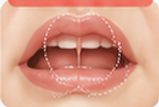
Tight upper lip frenulum
Limited lip flange
Can affect latch and oral development

Introduction
If your baby struggles with feeding, or your child has difficulty speaking, eating, or breathing comfortably, a tongue tie or lip tie may be contributing.
These conditions are more common than many parents realize and can affect feeding, oral development, sleep, and overall function.
At Dentistry for Kids South Bay, we evaluate tongue and lip ties with a comprehensive approach focused on long-term health and development.

What is a Tongue Tie or Lip Tie?
A tongue tie occurs when the tissue under the tongue (called the frenulum) is too tight or short, restricting normal tongue movement.
A lip tie is similar, but affects the upper lip and may interfere with feeding, oral development, and proper function.
These restrictions can impact breastfeeding, speech, swallowing, breathing, and healthy facial growth.

Signs Your Child May Have a Tongue or Lip Tie
-
Speech challenges
-
Difficulty chewing or swallowing
-
Mouth breathing or poor tongue posture
-
Dental crowding or narrow palate
-
Sleep issues or snoring
-
Difficulty latching during breastfeeding
-
Clicking sounds while feeding
-
Long or frustrating feeding sessions
-
Poor weight gain in infants
-
Gassiness or reflux-like symptoms

Why Treatment Matters
Tongue and lip ties can affect much more than feeding alone. When left untreated, they may contribute to speech difficulties, mouth breathing, sleep-related concerns, and improper oral development.
Early treatment can help support:


How We Evaluate Tongue & Lip Ties
At Dentistry for Kids South Bay, we take a comprehensive approach when evaluating tongue and lip ties.
Improved Feeding
Better Speech Development
Improved Airway and Breathing
Healthy Oral & Facial Development
Better Sleep Quality
Our evaluation may include:
-
Feeding concerns and oral function
-
Tongue mobility and posture
-
Speech and swallowing patterns
-
Airway and breathing considerations
-
Jaw and facial development

Laser Tongue Tie & Lip Tie Treatment
We use advanced dental laser technology to safely and precisely release tongue and lip ties.
Laser treatment is quick, minimally invasive, and designed to support improved healing and function. Compared to traditional surgical approaches, laser treatment may involve less bleeding, reduced discomfort, and faster recovery.
Depending on your child’s needs, we may also recommend myofunctional therapy or work alongside other specialists to support the best outcome.

Does Every Tongue Tie Need Treatment?
Not every tongue tie or lip tie requires treatment. We evaluate each child individually to determine whether the restriction is affecting feeding, speech, breathing, or development.
Is Laser Treatment Safe?
Yes. Dental laser treatment is considered a safe and effective option for tongue and lip tie release. The procedure is quick, precise, and designed to support comfortable healing.

Next Steps
If you’re concerned your child may have a tongue or lip tie, we encourage you to schedule an evaluation.
Early identification and treatment can make a lasting difference in feeding, speech, breathing, and overall development.
TONGUE TIE & LIP TIE TREATMENT
Supporting Healthy Feeding, Speech, Breathing, and Oral Development
Tongue tie and lip tie occur when the tissue under the tongue or upper lip restricts normal movement and function. Early evaluation and treatment can help improve feeding, speech, breathing, and support healthy oral development as your child grows.
What Are Tongue Tie & Lip Tie?
Tongue tie, also called ankyloglossia, occurs when the tissue under the tongue is too tight or short, limiting normal tongue movement.
Lip tie, occurs when the tissue connecting the upper lip to the gums is tight, which can interfere with feeding and oral development.
These restrictions can affect how a child feeds, swallows, breathes, speaks, and develops oral function.
Normal Tongue

The tongue has a full range of motion.
Normal Lip

The upper lip moves freely with a good flange.
Tongue Tie

A tight frenulum can restrict tongue movement.
Lip Tie

Tight tissue can restrict upper lip movement.
How Can a Tie Affect Your Child?
Healthy tongue and lip function supports feeding, breathing, swallowing, speech, and normal oral development.
Healthy function supports development.
Good tongue and lip mobility can help support feeding, breathing, swallowing, speech, and overall oral function.
Proper Function
Effective feeding
Nasal breathing
Tongue rests on the roof of the mouth
Lips remain closed at rest
Proper swallowing patterns
Healthy oral and facial development
Tie Restrictions
Difficulty feeding
Mouth breathing
Tongue rests low in the mouth
Lips remain open at rest
Improper swallowing patterns
Potential challenges with oral and facial development
Restricted movement can affect function.
When tongue or lip mobility is limited, feeding, breathing, swallowing, speech, and oral development may be affected.
Common Signs of Tongue or Lip Tie
Symptoms can look different depending on your child's age and development. Some common signs may include:

Difficulty latching or staying latched

Poor weight gain in infants

Dental crowding or a narrow palate

Tongue resting low in the mouth

Gassiness, reflux, or colic symptoms

Speech delays or challenges

Snoring, restless sleep, or mouth breathing
Long-Term Benefits
Improving tongue and lip function can support your child's oral development as they grow.

Improved Feeding

Healthy Facial Growth

Better Speech Development

Stronger Oral Health

Better Breathing & Sleep

Greater Overall Wellness

A Team Approach
We work with a team of specialists, including speech therapists and other health professionals, to provide comprehensive care and support the best outcomes for your child.
Small changes today.

Big impact for a healthier future.